Modern control systems are revolutionizing how large electrical installations operate and maintain reliability. Advanced automation, monitoring, and protection technologies enable facilities to achieve unprecedented levels of safety, efficiency, and uptime.
Understanding how control systems enhance electrical installation performance is essential for facility managers, engineers, and operators. These intelligent systems minimize downtime, reduce operational costs, and protect valuable equipment and personnel.
Automated Monitoring and Real-Time Management

Advanced control systems continuously monitor electrical parameters across entire installations, providing real-time visibility into system performance. Sensors and smart devices collect data on voltage, current, frequency, temperature, and equipment status from every critical component.
Learn more about what control panels could do for your electrical systems and perhaps an upcoming engineering project on a large-scale basis, so you can be informed to make a decision. Centralized SCADA systems process this data and alert operators to potential problems before they develop into major failures.
Automated controls adjust system parameters instantaneously in response to changing conditions and demand fluctuations. This capability eliminates manual intervention requirements and dramatically reduces human error in large, complex electrical networks.
Remote monitoring capabilities allow facility managers and engineers to oversee operations from centralized control centers regardless of geographical location. Mobile applications provide alerts and status updates that enable rapid response to emerging issues.
Enhanced Protection and Fault Management
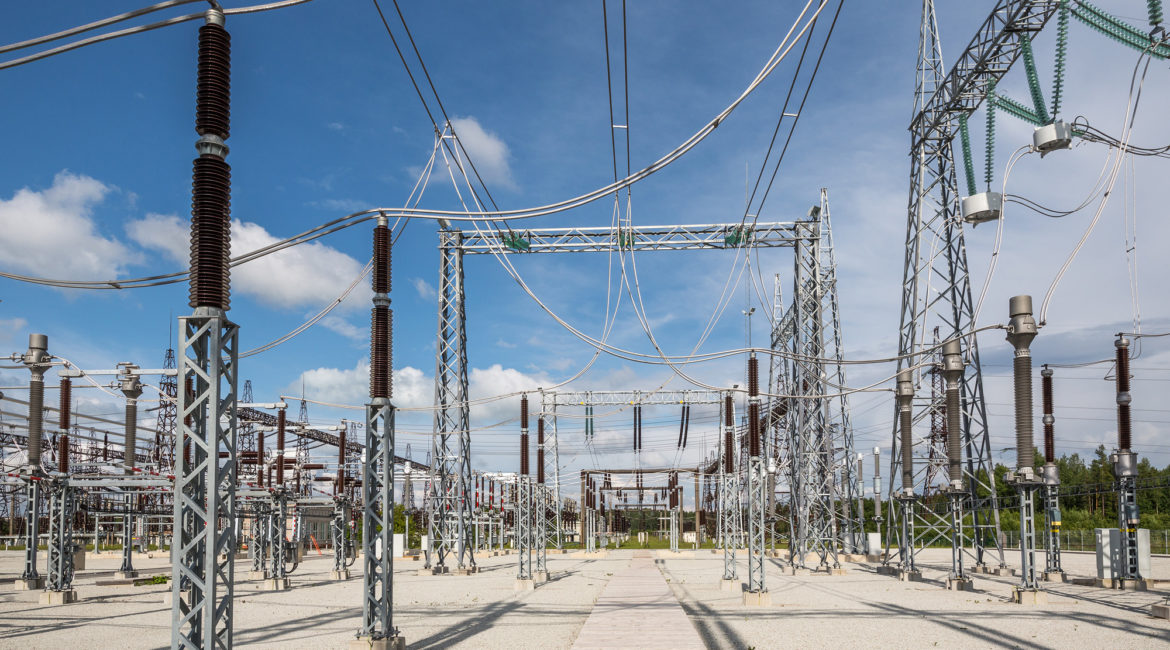
Modern protection systems detect electrical faults and abnormal conditions with unprecedented speed and precision. Intelligent relays communicate across the system, coordinating responses to isolate problems and prevent cascade failures affecting larger portions of the installation.
NFPA electrical safety standards guide system design to ensure proper equipment operation sequence during electrical disturbances. Advanced algorithms predict fault conditions before they occur, enabling preventive maintenance scheduling.
Arc flash protection systems minimize personnel risk by limiting energy release during electrical incidents. Automated backup systems activate instantly when primary power sources fail, maintaining critical operations and preventing complete shutdowns.
Comprehensive logging and diagnostic capabilities record every event, enabling engineers to analyze failures thoroughly. This data-driven approach continuously improves system design and operational procedures over time.
Optimization and Efficiency Gains
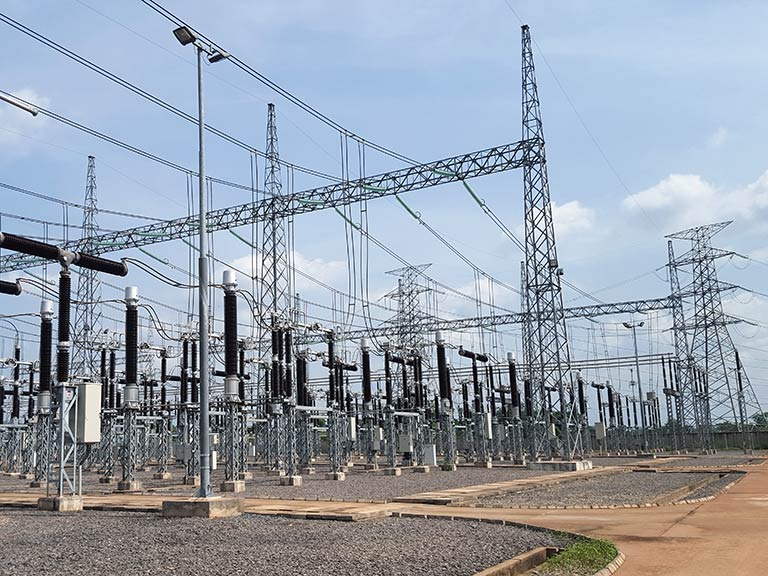
Intelligent control systems optimize power factor, reduce reactive power, and minimize transmission losses throughout electrical installations. Load balancing algorithms distribute electricity efficiently across circuits and equipment, extending component lifespan and reducing energy waste.
Demand response systems automatically reduce non-critical loads during peak periods, lowering operating costs and grid stress. Smart Grid technology information demonstrates how modern controls improve electrical system efficiency and reliability across transmission networks.
Predictive maintenance algorithms analyze equipment performance trends to schedule maintenance before failures occur. This proactive approach reduces emergency repairs, minimizes downtime, and maximizes equipment reliability throughout the installation lifecycle.
Advanced analytics identify consumption patterns and optimization opportunities invisible to traditional monitoring methods. Operators can make informed decisions about equipment upgrades, load redistribution, and efficiency improvements based on comprehensive performance data.
Conclusion
Modern control systems fundamentally improve reliability in large electrical installations through continuous monitoring, intelligent protection, and automated optimization. These technologies reduce downtime, lower operational costs, and enhance safety for personnel and surrounding communities.
Investment in advanced control infrastructure delivers substantial returns through improved equipment lifespan, reduced energy consumption, and enhanced operational resilience. Facility managers who embrace modern control technology gain competitive advantages through superior reliability and efficiency.