
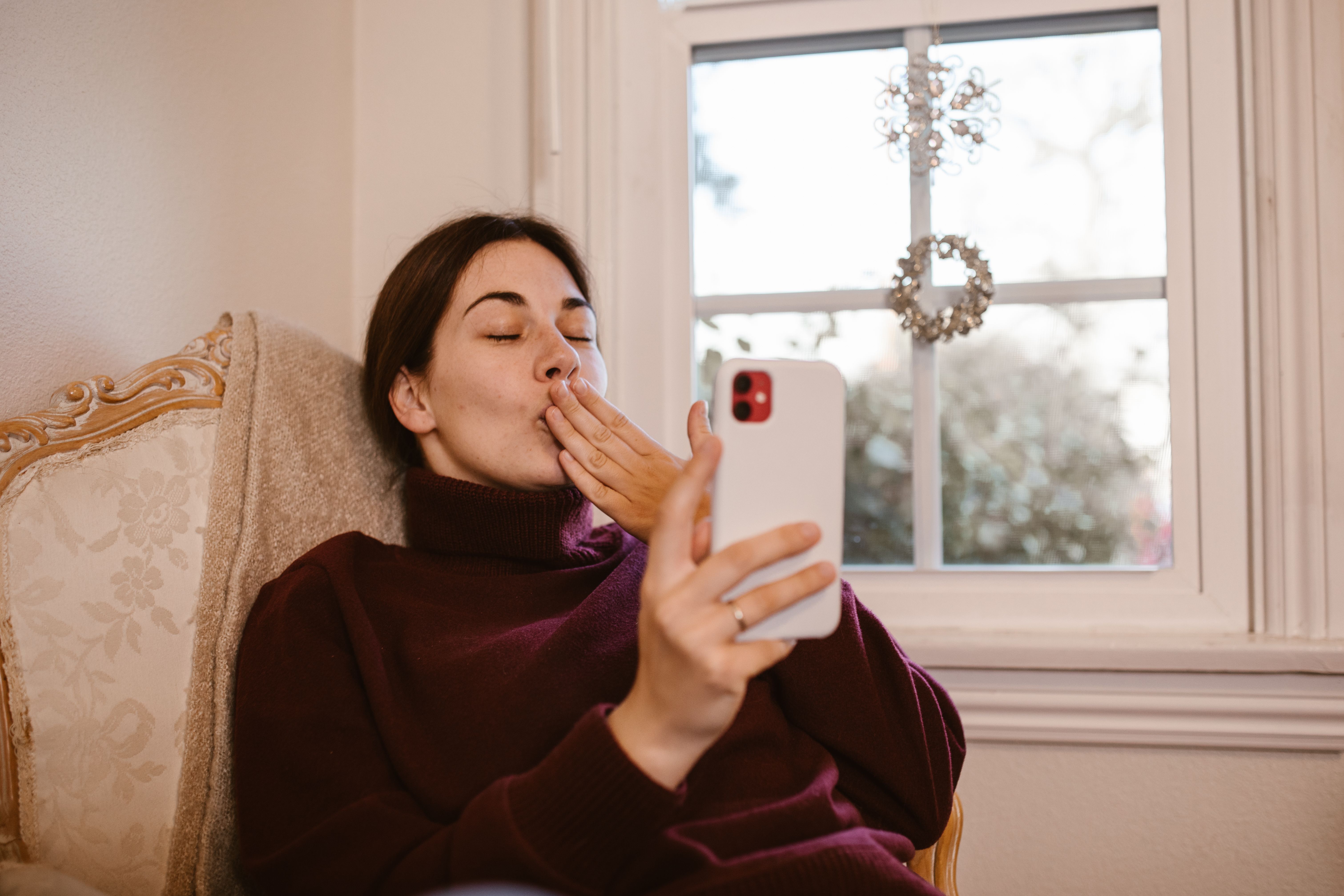
Nothing feels more human than a kiss, which is why it is strange how fast we learned to send them through glass. A blown kiss on a video call, a goodnight text, dinner eaten in parallel on two continents: what began as a lockdown stopgap has quietly become a native way of loving. Virtual intimacy is no longer the fallback for couples who cannot meet in person. For a growing number of people, it is where relationships begin, deepen and sometimes end – and that deserves more thought than it usually gets.
The swipe that replaced the small talk
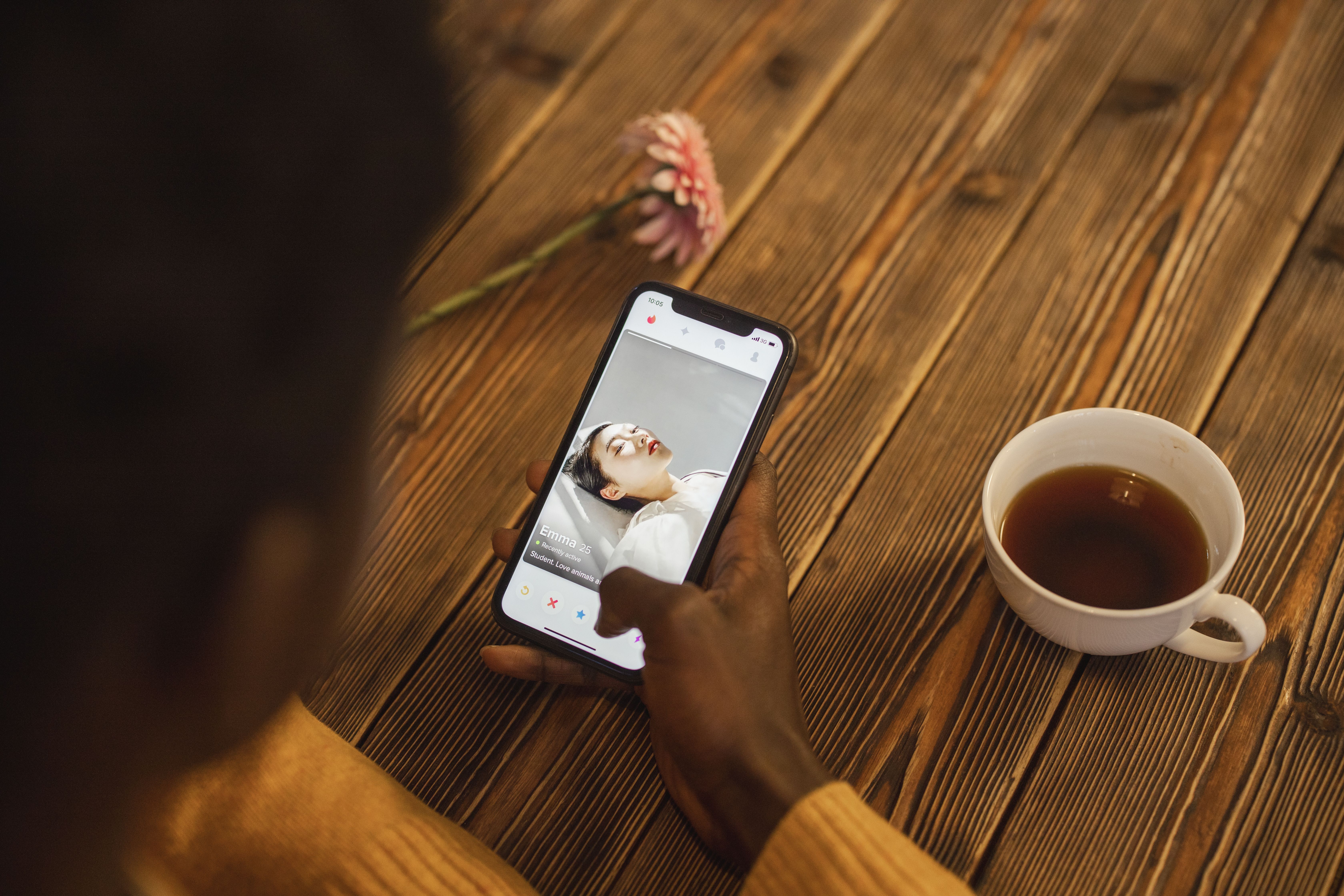
The statistics have stopped being surprising. In a Pew Research Center survey from the summer of 2022, three-in-ten U.S. adults said they had ever used a dating site or app, and one-in-ten partnered adults said they first met their current spouse or partner on one. Among partnered adults under 30, the figure rises to one in five. Younger daters no longer treat an online meeting as a detail to gloss over; for many of them, the app is simply where love now starts.
Intimacy is built in the small hours
Meeting, though, is only the opening act. The real texture of a screen-first romance lives in its rituals: the two a.m. voice note, the screenshot that means “I thought of you,” the decision to stay on the call while one of you falls asleep. These used to be the consolation prizes of long-distance couples; now they are the shared bed of almost every modern relationship. I would argue that changes what intimacy is, not just where it happens – the discipline of showing up daily for someone you cannot touch turns out to be a surprisingly honest test of a bond.

When the headset beats the video call
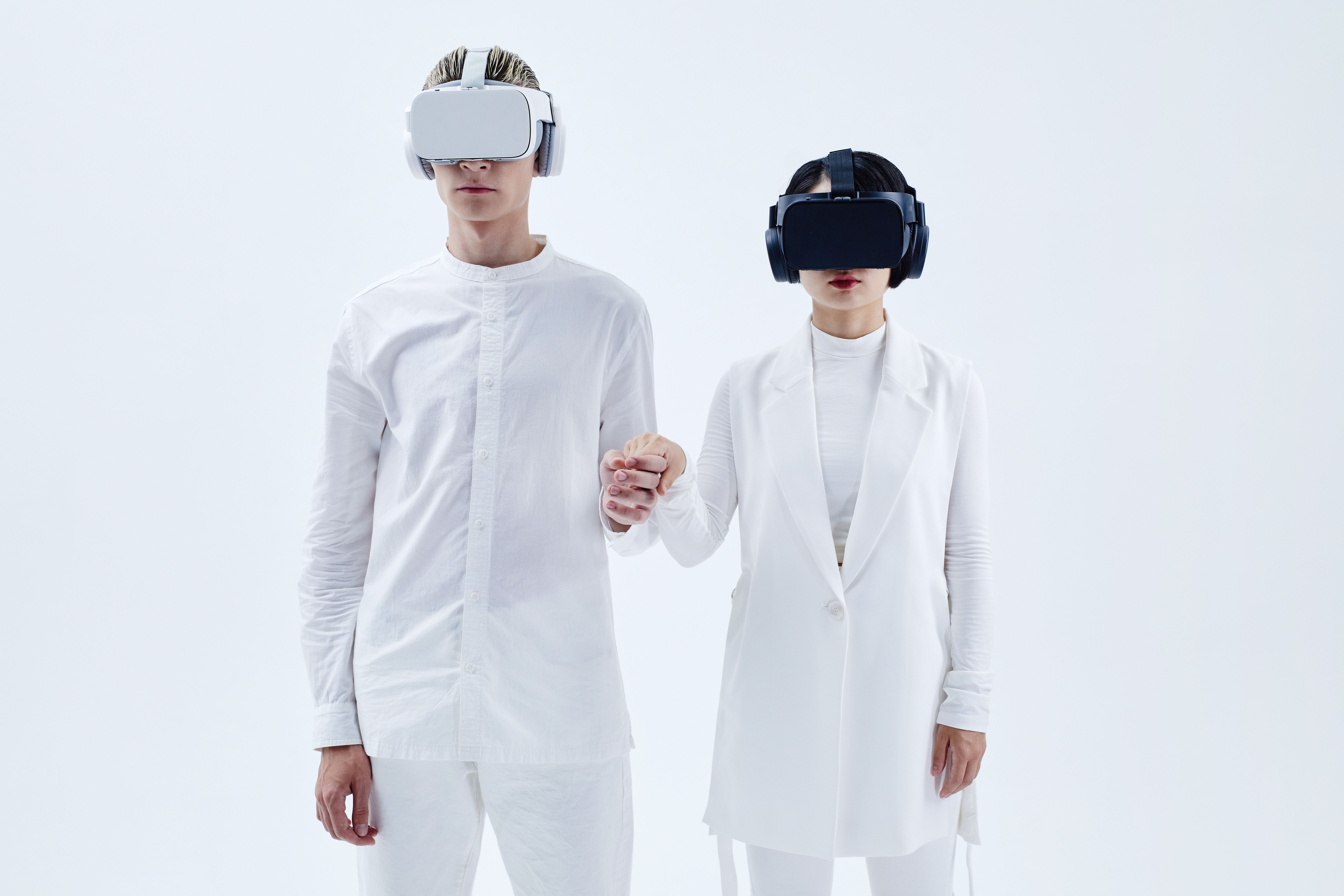
The next frontier is presence. In a 2025 study in the journal Behavioral Sciences, couples who shared a novel virtual-reality experience reported a stronger sense of being in the same room as their partner – and less boredom – than couples doing the same activity over a video call. The findings were genuinely mixed on whether VR deepens a relationship over time. Even so, I find it telling that more than 180 couples volunteered to test it. People are not waiting for the technology to perfect itself; they are already reaching through it toward each other.
The oldest industries got the memo
The surest sign that screen-first intimacy has gone mainstream is that the most traditional face-to-face industries now introduce themselves through screens. A München escort agency, for example, no longer depends on word of mouth alone: it presents itself with photos, a real profile and a message exchange long before any meeting is arranged. That first guarded, hopeful message has become the universal front door to connection – whether the person on the other end is a future spouse or a paid companion.

Realness is not measured in pixels
None of this means screens will replace touch. I suspect they will not, and the research itself hedges: virtual experiences are better at conjuring the feeling of togetherness than at the slow, unglamorous work that makes a relationship grow. What is collapsing is the old distinction between “online” and “real” connection. A bond is not virtual or physical by default – it is real because of what two people pour into it, even when that pouring happens one goodnight text at a time. That, to me, is the quiet revolution: love no longer needs a shared room to be lived in.