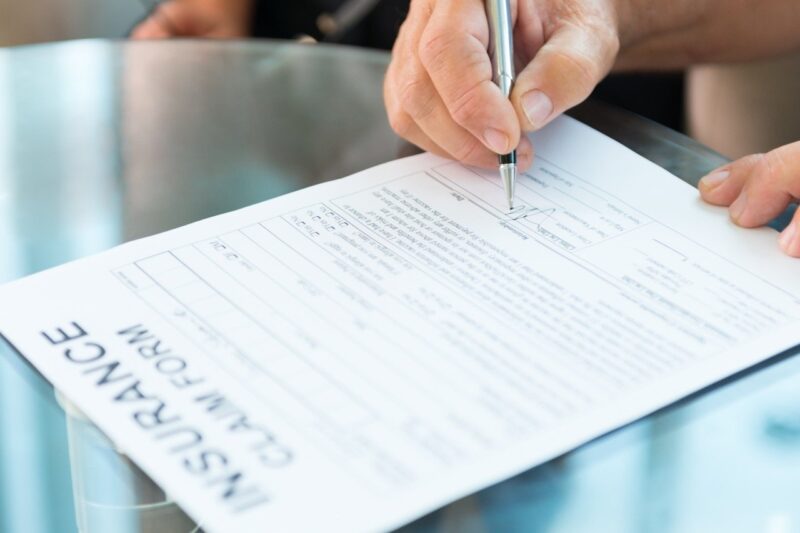
Making an insurance claim can feel complicated, particularly after an accident, illness, property loss, or other stressful event. Delays often occur when information is missing, forms are incomplete, or the insurer needs additional evidence before reaching a decision.
A well-organised claim does not guarantee approval, but it can make the assessment process easier. Understanding the policy, reporting the event promptly, and maintaining clear records can help prevent avoidable problems.
Review Your Policy and Notify the Insurer

Begin by reading the relevant policy documents, including the product disclosure statement, policy schedule, and any later amendments. Check what is covered, which exclusions apply, the applicable waiting period, and whether an excess must be paid.
Contact the insurer as soon as reasonably possible and ask how to begin the claim. Some providers use online portals, while others require a telephone notification or completed forms. Record the claim number and the name of the person handling your enquiry.
Ask for a written list of the information and documents required. Requirements vary according to the policy and type of claim, so do not rely entirely on another person’s experience.
TPD claim stories can vary when browsing online and should always be treated with a balanced view. Personal accounts may provide context, but they cannot confirm how another claim will be assessed under different policy terms, medical evidence, and individual circumstances.
Provide Complete and Consistent Evidence

Complete all forms carefully and answer each question accurately. Inconsistent dates, blank sections, unclear descriptions, and missing signatures can lead to follow-up requests and extend the assessment period.
Supporting evidence may include photographs, receipts, quotations, police reports, medical records, employment information, proof of ownership, or statements from relevant professionals. Send copies unless the insurer specifically requests original documents.
Create a clear timeline explaining what happened and when. For health-related claims, this may include the date symptoms began, consultations, treatment, periods away from work, and changes in functional capacity.
Before submitting the claim, check that names, dates, addresses, policy numbers, and descriptions match across all documents. If information appears inconsistent, explain the reason instead of leaving the insurer to identify and investigate the difference.
Keep a copy of everything submitted and note the date and delivery method. A complete personal record makes it easier to answer later questions or replace a document that was not received.
Follow Up and Respond to Requests Promptly

Ask the insurer when you should expect an update and how it will communicate with you. Follow up if that period passes without contact, but allow reasonable time for documents and professional reports to be reviewed.
Respond promptly when additional information is requested. If a doctor, employer, repairer, or another third party must provide evidence, contact them early and check whether they have completed the request.
If you cannot meet a deadline, tell the insurer and request an extension. Written communication provides a useful record of what was requested, supplied, and discussed.
When a claim is delayed, ask for the reason, outstanding requirements, and next expected step. If concerns remain unresolved, use the insurer’s internal complaints process. Depending on the jurisdiction and claim, an external dispute resolution service or independent professional advice may also be available.
Conclusion
A smoother insurance claim begins with understanding the policy, notifying the insurer promptly, and supplying complete, consistent evidence. Organised records and timely responses can prevent many common administrative delays.
Every claim is assessed on its own facts and policy terms. If the matter is complex, disputed, or financially significant, consider obtaining qualified advice relevant to your circumstances before making important decisions.