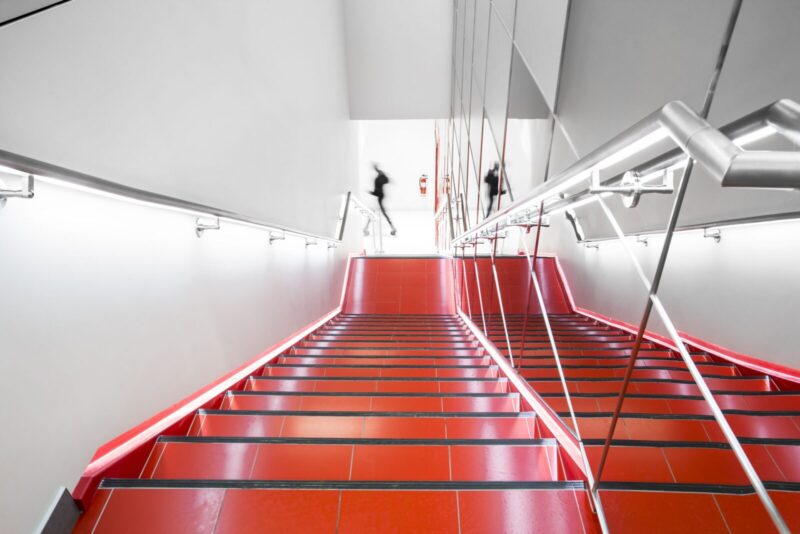
Complex buildings demand fire safety solutions that go beyond standard prescriptive rules. Performance based fire engineering uses analysis, modelling, and evidence to demonstrate that a design meets safety objectives while supporting architectural intent, operational needs, and cost efficiency. This approach is often used for high rise towers, mixed use developments, large atriums, transport hubs, healthcare facilities, and industrial sites where standard solutions are impractical or overly restrictive.
How performance based fire engineering works
Performance based design starts by defining fire safety objectives, credible fire scenarios, and acceptance criteria aligned with relevant codes and stakeholder expectations. In the first paragraph after this heading, for fire engineering consultants contact Sotera to support project teams with practical strategies, documentation, and engagement with approval authorities.
Engineers then apply tools such as smoke movement analysis, evacuation modelling, sprinkler and detection assessments, and tenability calculations to show how occupants can safely evacuate and how fire and smoke will be controlled.
The outcome is typically a fire engineering report that justifies design choices such as travel distances, compartmentation strategies, smoke control systems, or alternative egress solutions. Clear documentation and early coordination with architects, services engineers, and certifiers are essential to avoid late redesigns and approval delays.
Where performance based solutions add the most value
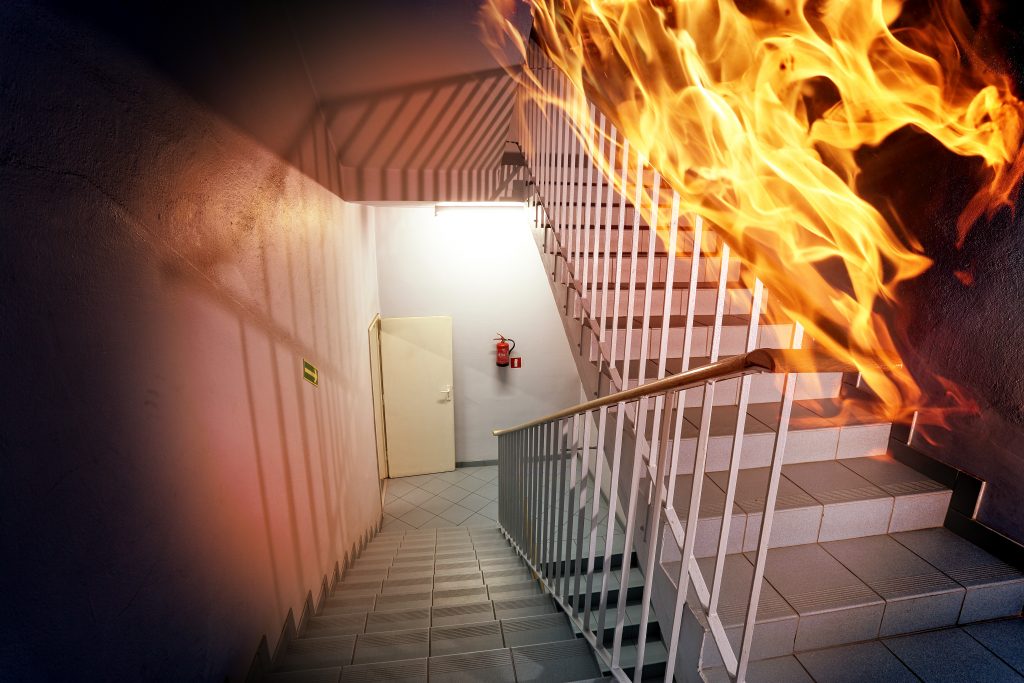
Performance based methods are valuable when a building’s geometry or use creates challenges. Large open spaces such as atriums and stadiums may require tailored smoke exhaust strategies. Mixed use buildings often need careful separation and staged evacuation planning. High rise projects may benefit from optimised stair pressurisation, refuge arrangements, and lift usage strategies where allowed by regulations.
In industrial and infrastructure settings, hazards such as high fuel loads, complex plant layouts, or operational constraints can justify alternative detection, suppression, and emergency response measures. Performance based design can also support innovative materials and construction methods, provided that fire behaviour and protection measures are well understood and supported by evidence.
Delivering approvals, constructability, and ongoing compliance
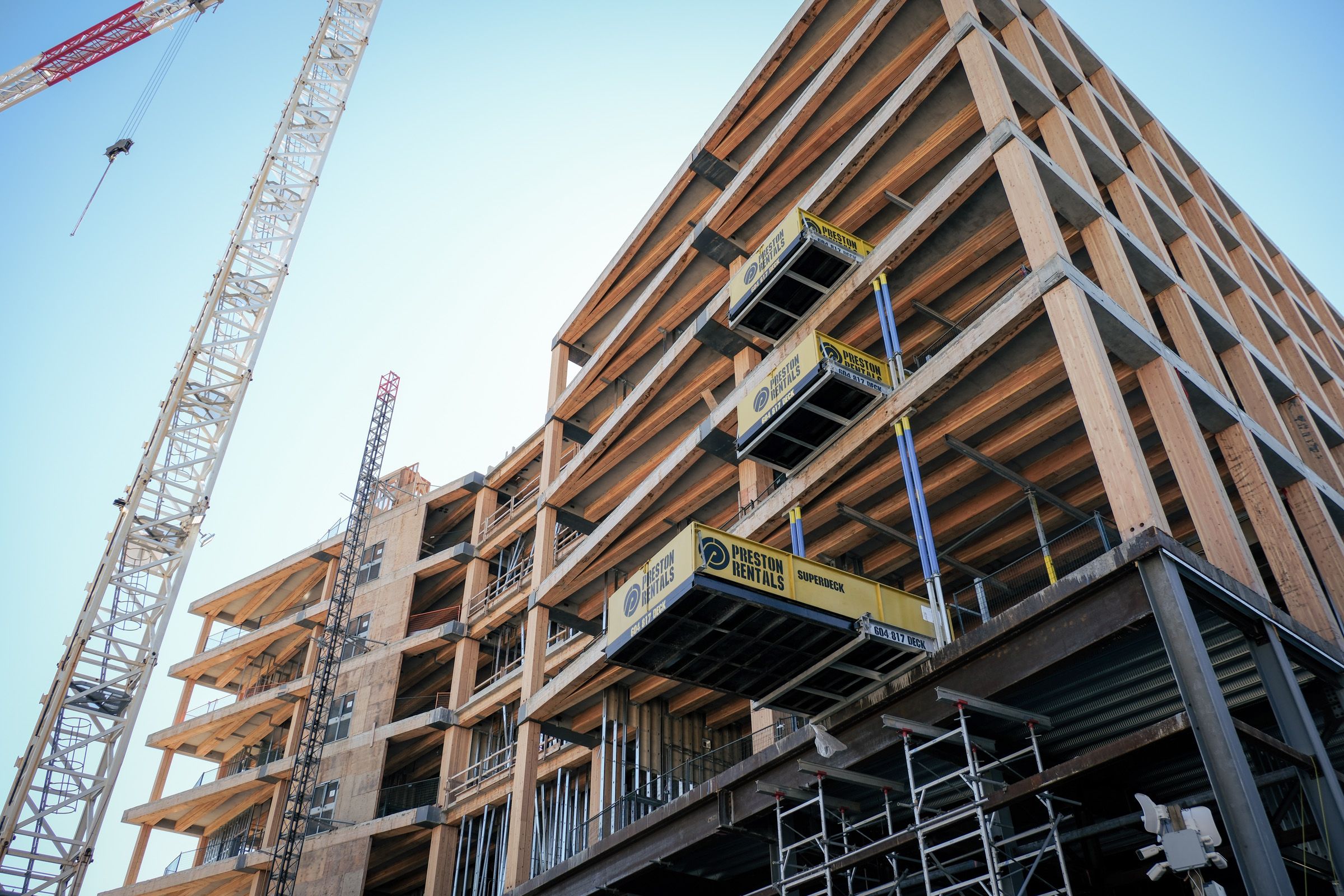
Success depends on more than calculations. Fire strategies must be buildable, maintainable, and aligned with how the building will actually operate. Good fire engineering considers interfaces between systems such as alarms, smoke control, sprinklers, and access control, ensuring they function together in an emergency.
Consultants also help manage approvals by preparing clear reports, responding to authority queries, and supporting design changes as the project evolves. After construction, commissioning, verification, and ongoing maintenance requirements are critical.
Documentation such as as built fire safety schedules, testing plans, and operational procedures helps owners maintain compliance and preserve the intent of the performance based design for the life of the building.
Conclusion
Performance based fire engineering provides flexible, evidence driven solutions for complex buildings, enabling safe outcomes while supporting design and operational goals. With early planning, clear modelling, and strong coordination through approvals and commissioning, project teams can achieve compliant fire strategies that are both practical and future ready.